Material Guide
July 15, 20248 min
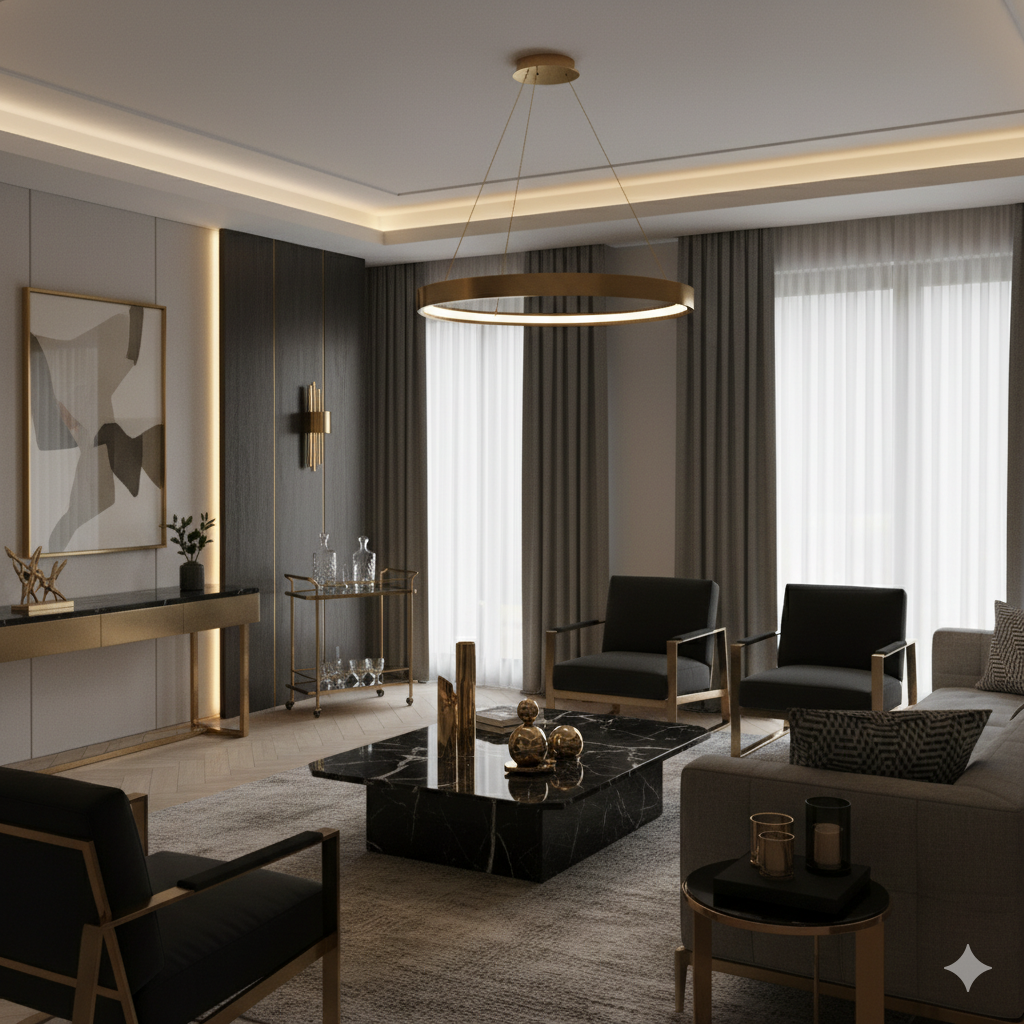
Using Brass in Decoration: Coating Types and Guide
The history of brass metal, its use in furniture and decoration, PVD vs electroplating differences, and color harmony guide.
Yükleniyor
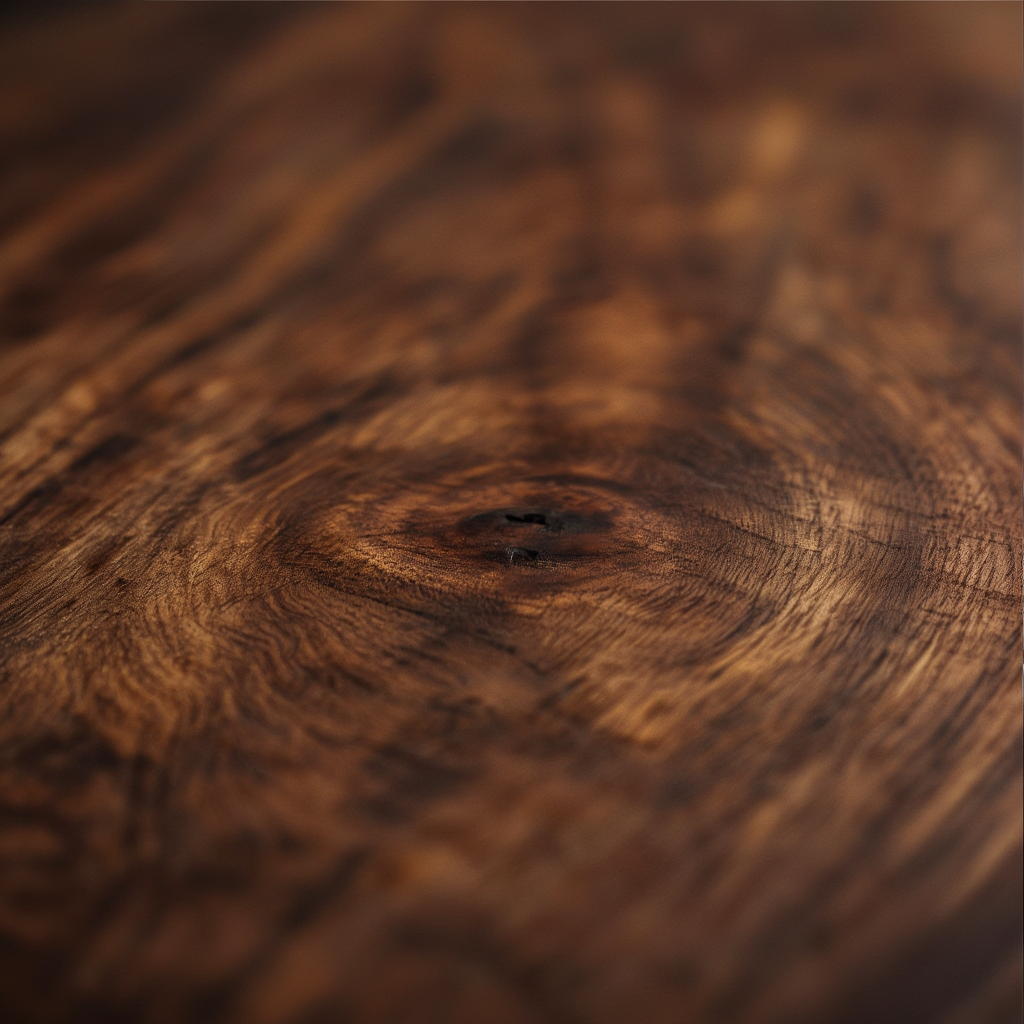
Wood is the most ancient and most valued material in furniture production. Choosing the right wood type directly determines your furniture's appearance, durability, and lifespan. In this comprehensive guide, we take an in-depth look at the most important wood types in the furniture world, their characteristics, and their applications.
Wood types are fundamentally divided into two categories: hardwoods and softwoods. This distinction is based on the tree's botanical classification.
Hardwoods: Derived from deciduous (leaf-shedding) trees. Oak, walnut, maple, cherry, ash, beech, and teak fall into this category. They are generally denser, more durable, and more expensive. Because they grow slowly, their grain is tight and their fibres are strong. Hardwoods are the first choice in furniture production.
Softwoods: Derived from coniferous (cone-bearing) trees. Pine, cedar, spruce, and fir fall into this category. They grow faster, are lighter, and more economical. They are used in furniture frames, interior structural elements, and rustic designs. They are more susceptible to scratching and denting compared to hardwoods.
Oak is the undisputed king of the furniture world. With a Janka hardness rating of approximately 1,360 lbf, oak is known for its extraordinary durability and characteristic grain pattern. It comes in two main types:
White Oak: Its closed-pore structure makes it water-resistant. It has a wide range of uses, from whiskey barrels to boat building. In furniture, it is particularly preferred for dining tables, kitchen cabinets, and outdoor furniture. Its golden-brown tones deepen over time.
Red Oak: Distinguished from white oak by its open-pore structure. It is known for its more pronounced grain pattern and reddish-pink tones. Widely used in indoor furniture, flooring, and staircases. It is more economical than white oak.
Oak responds very well to staining and varnishing. Smoked oak treatment can produce dark, dramatic tones. Brushed oak surfaces are popular in rustic and industrial designs.
Walnut is one of the most luxurious and sought-after woods in the furniture world. Its Janka hardness rating is approximately 1,010 lbf. It offers a unique aesthetic with its colour spectrum ranging from dark chocolate brown to light brown and its complex grain pattern.
American Black Walnut: With its deep, dark colour and smooth texture, it is an indispensable material for luxury furniture. Frequently used in dining tables, headboards, bookcases, and office furniture.
European Walnut: Has lighter tones and more vivid grain patterns compared to American walnut. Anatolian walnut in particular is valued in the international arena for its unique colour transitions and grain patterns.
Walnut has excellent workability. It yields superb results in turning, carving, and joinery techniques. Natural oil finish best reveals walnut's texture and colour.
Maple is known for its light colour and extremely smooth texture. With a Janka hardness rating of approximately 1,450 lbf, it is one of the hardest wood types.
Hard Maple (Sugar Maple): Its cream-white colour and fine, uniform grain make it highly preferred in modern and Scandinavian-style furniture. Its hardness makes it ideal for kitchen countertops and butcher blocks.
Birdseye Maple: A rare and valuable variant, birdseye maple is distinguished by the small, round dots on its surface. It is used in luxury furniture and musical instruments.
Maple's receptive nature allows it to be stained in various colours. However, its natural light colour is considered particularly valuable in contemporary and Scandinavian designs.
Cherry wood is one of the most elegant woods in the furniture world, with its warm reddish-brown tones and silky smooth texture. Its Janka hardness rating is approximately 950 lbf. Its most striking feature is its colour that deepens with time and light exposure — starting as a light pink-brown when freshly cut, it transforms into a rich reddish-brown over the years.
Cherry wood is an essential material for traditional American furniture and the Shaker style. It is used in dining room sets, display cabinets, dressers, and bedroom furniture. Its fine, even grain achieves an excellent polish when finished.
Ash has similar durability to oak but is distinguished by its lighter colour and prominent grain pattern. Its Janka hardness rating is approximately 1,320 lbf. It has high flexibility and shock absorption capacity — which is why it is used in everything from baseball bats to ski equipment.
In furniture, ash is particularly preferred in modern designs, especially the Scandinavian style. Its light, creamy-white colour and distinct grain pattern add character to minimal furniture. Because it responds very well to steam bending, it can be used in curved and organic forms.
Beech is the cornerstone of the European furniture tradition. Its Janka hardness rating is approximately 1,300 lbf. It is known for its light cream colour and fine, homogeneous texture. Thonet's legendary bentwood chairs were made from beech wood — proof of how well beech suits the steam-bending process.
Beech is preferred for products subject to heavy use, such as school desks, restaurant chairs, and children's furniture. It is known for its high resistance to wear. Curved forms are easily achieved through steam-bending techniques.
Teak is one of the rare woods that is naturally resistant to water, moisture, and insects thanks to its natural oil content. Its Janka hardness rating is approximately 1,070 lbf. Originating from Southeast Asia, teak is the undisputed best material for outdoor furniture.
Its golden-brown colour develops a silvery grey patina over time — this is aesthetically preferred and does not affect the wood's protective quality. It is used in garden furniture, boat decks, and spa areas. Due to its high oil content, it requires special treatment for gluing and painting.
Solid Wood: Natural timber cut directly from the tree. It is the most durable and longest-lasting option. It can be sanded, refinished, and passed down through generations. It may expand and contract in response to moisture and temperature changes — proper construction techniques are therefore critical. It is the most expensive option.
Veneer: Obtained by bonding thin wood sheets (typically 0.5-3mm) to a substrate. It enables rare and expensive woods to be used across larger surfaces. Techniques like book-matching can create stunning grain patterns. Quality veneer offers an appearance indistinguishable from solid wood. However, deep scratches can expose the substrate, and refinishing options are limited.
Engineered Wood: MDF, particleboard, and plywood fall into this category. Produced by pressing wood fibres or particles with adhesive. It has high dimensional stability — it is less affected by moisture changes than solid wood. It is a more economical option. Widely used in modern furniture production but lacks the lifespan and repairability of solid wood.
The Forest Stewardship Council (FSC) certification guarantees that wood is sourced from responsibly managed forests. Using FSC-certified wood supports environmental sustainability while contributing to the prevention of illegal logging.
Sustainable forestry principles encompass: planting new trees for every one harvested, protecting biodiversity, safeguarding the rights of local communities, and conserving soil and water resources. As conscious consumers, choosing FSC-certified furniture is a concrete step towards leaving a liveable world for future generations.
Oil Finish: Penetrates the wood's pores to provide protection from within. It preserves the wood's natural texture and feel, giving a matte-to-satin appearance. Tung oil, linseed oil, and Danish oil are the most common options. Renewal is easy — simply sand and re-oil. However, it does not provide protection against water and stains as strongly as other options.
Lacquer: Forms a fast-drying, hard surface film. Very high gloss can be achieved. Applied by spray in very thin layers. It is resistant to scratching but difficult to repair — the damaged area must be completely stripped and reapplied. Widely used in modern furniture production.
Wax: Gives wood a soft, natural sheen. Preferred for traditional and antique furniture. Easy to apply and leaves the wood's natural scent. Protection level is low — it can soften in hot and humid environments. Requires regular renewal.
Polyurethane: The most durable surface film option. Available in water-based and solvent-based variants. Provides strong protection against water, chemicals, and abrasion. Available in gloss, semi-matte, and full matte options. Difficult to renew — requires complete stripping. Ideal for kitchen tables and heavily used surfaces.
Intended use: For furniture subject to heavy use such as dining tables or kitchen countertops, choose hard and durable woods (oak, maple, beech). For areas subject to less wear such as bedrooms or living rooms, you can choose aesthetically-focused woods like cherry or walnut.
Aesthetic preference: For a light and modern look, maple or ash; for a warm and classic atmosphere, walnut or cherry; for a rustic, characterful feel, oak is ideal.
Budget: Walnut and cherry are the most expensive options. Oak offers excellent value for its quality. Beech and ash are high-quality, more economical alternatives.
Environmental conditions: For humid environments, choose teak or white oak. In environments with significant temperature fluctuations, select woods with high dimensional stability.
Operating in Istanbul since 1981, Archidecors works meticulously at every stage, from wood selection to surface finishing. We source the finest hardwoods — primarily oak, walnut, maple, and ash — from our trusted suppliers.
For every project, we select wood whose grain pattern, colour, and texture align with our clients' aesthetic vision, blending traditional joinery techniques with modern production methods. We offer services across a wide range — from solid wood to luxury veneers, from natural oil finishes to modern lacquer applications.
Contact us to choose the right wood for your living spaces and bring the furniture of your dreams to life. With our 45-year tradition of craftsmanship, we bring nature's warmest material into your home.
The history of brass metal, its use in furniture and decoration, PVD vs electroplating differences, and color harmony guide.
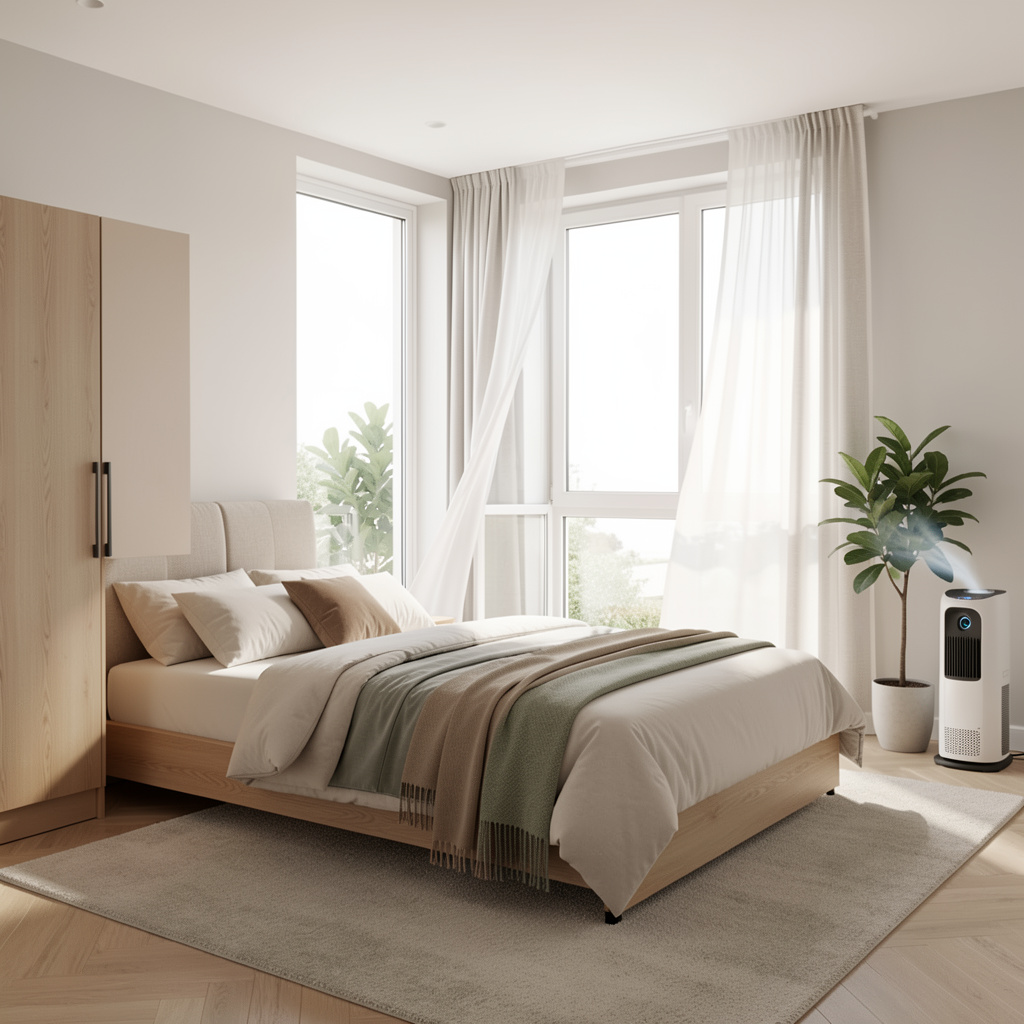
Health risks of VOC gases emitted from new furniture, waiting periods by paint type, and protection methods.
Our team of expert designers and craftsmen are ready to bring your vision to life.