Design Inspiration
July 21, 202415 min
Interior Design Movements: Historical and Modern Design Trends
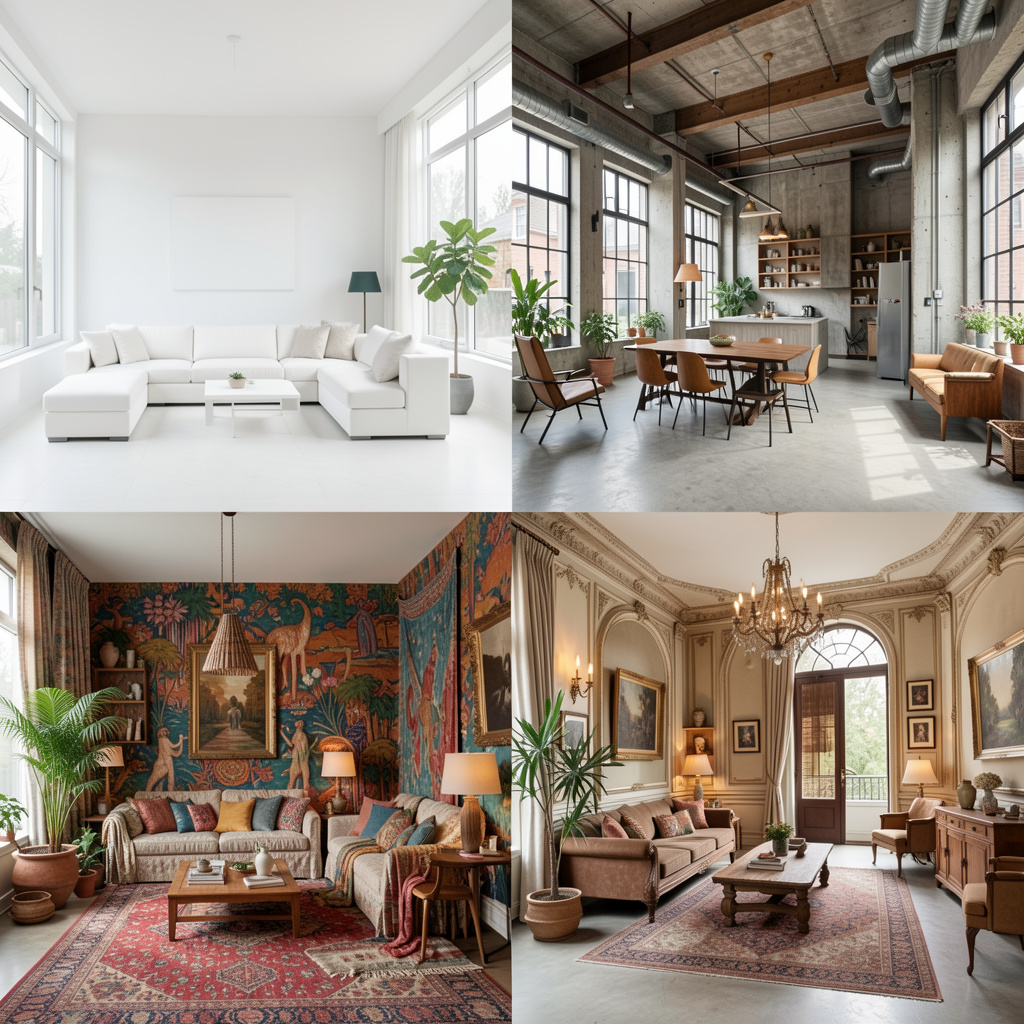
From Classic to Minimalism, Art Deco to Japandi — a comprehensive guide to the most influential interior design movements worldwide.
Yükleniyor
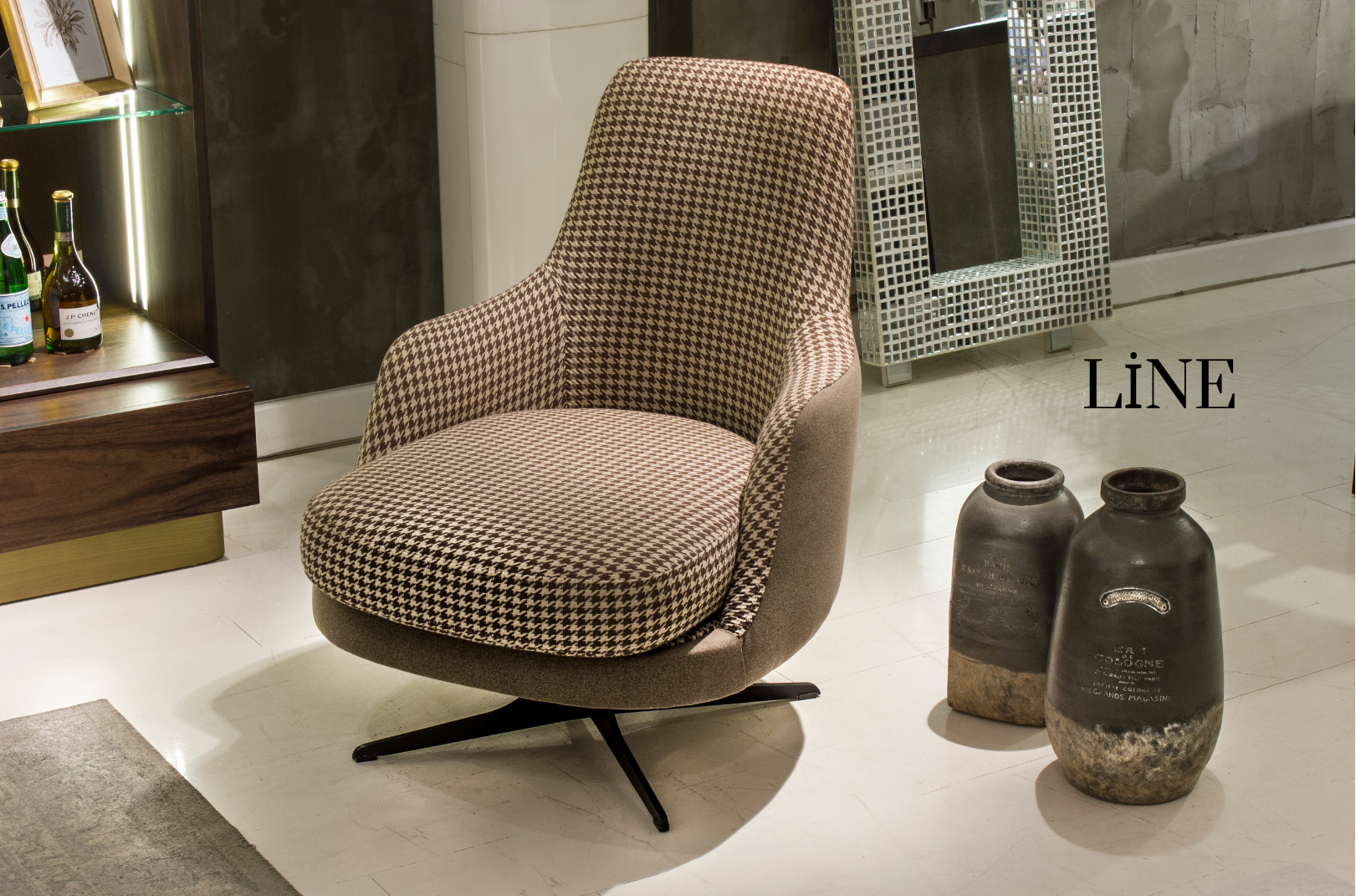
The most fascinating innovations in the design world are born from unexpected encounters between traditions that seem worlds apart. The understated elegance of Scandinavian design and the warm richness of the Turkish furniture tradition may appear to be polar opposites at first glance. Yet when we delve into the depths of these two traditions, shared values and complementary aesthetics are discovered — and the resulting fusion creates a highly inspiring design language for contemporary living spaces.
Hygge (pronounced hoo-gah), a Danish concept, describes cosy, intimate, and peaceful moments. In furniture design, hygge manifests as soft touches, natural materials, and inviting forms. A Scandinavian living room — with its simply lined wooden armchair, a soft wool throw, and a candle flickering beside it — is the tangible expression of hygge.
Lagom, a Swedish concept, means "not too much, not too little, just the right amount." This philosophy forms the foundation of Scandinavian furniture design: every piece serves a purpose, there is no unnecessary ornamentation, yet it is neither cold nor soulless. Form and function are in perfect balance.
Functionality: Every piece of furniture must first fulfil its function perfectly. Beauty comes after functionality — but paradoxically, this focus on functionality creates its own beauty.
Light colours and illumination: Influenced by long, dark winter months, Scandinavian design focuses on maximising light. White, cream, light grey, and pale pastel tones dominate.
Natural materials: Light-coloured woods such as birch, ash, pine, and oak, along with natural textures like leather, wool, and linen, are indispensable to Scandinavian design.
Minimalism: Less is more. Every object is a conscious choice. Spaces are airy, orderly, and calming.
Democratic design: The belief that good design should be accessible to everyone is the backbone of the Scandinavian design tradition.
The Turkish furniture tradition is the product of a rich cultural heritage stretching from Central Asia to Anatolia, from the Seljuks to the Ottomans. This tradition is characterised by bold colours, intricate geometric patterns, and layered textures. Saturated colours such as burgundy, emerald green, saffron yellow, and cobalt blue are embedded in the DNA of Turkish interiors.
Handcraft holds a central role in the Ottoman furniture tradition. Traditional techniques such as mother-of-pearl inlay, wood carving, Edirnekari painting, wire-wrapping, and copperwork have been passed down through generations via the master-apprentice relationship. Every piece bears the mark of the artisan's hand and stands far from the uniformity of industrial production.
Geometric patterns, developed under the influence of Islamic art, are among the most distinctive elements of the Turkish furniture and decoration tradition. Repeating motifs that create a sense of infinity appear everywhere — from wood carvings to tile panels, from kilim patterns to metalwork. These patterns carry not only decorative but also cosmological and philosophical meaning.
The Turkish furniture tradition is masterful in combining different materials. Walnut wood, brass, copper, mother-of-pearl, ivory, leather, and silk can come together in a single piece. This multi-material approach creates a richness and depth distinct from Scandinavian design's single-material simplicity.
The meeting of Scandinavian and Turkish furniture traditions gives birth to a new aesthetic language that can be described as "warm minimalism." This fusion takes the strengths of both traditions and balances their weaknesses.
Scandinavian simplicity + Turkish warmth: Scandinavian design's minimalism, sometimes criticised as cold and sterile, is balanced by the warm textures and colourful accents of the Turkish tradition. The result: spaces that are simple but not soulless, warm but not cluttered.
Scandinavian functionality + Turkish craftsmanship: When Scandinavian design's focus on function combines with Turkish handcraft's attention to detail, furniture emerges that is both practical and artistically valuable.
Northern light + Eastern warmth: When the light, bright tones of the Scandinavian palette meet the saturated, warm colours of the Turkish palette, a unique colour harmony is created.
To understand the Scandinavian-Turkish fusion, it is useful to look at a similar movement. Japandi is the combination of Japanese and Scandinavian design traditions and has gained enormous popularity worldwide in recent years.
In Japandi, the Japanese philosophy of wabi-sabi (beauty in imperfection) meets Scandinavian hygge. Natural materials, simple forms, and serene atmospheres are common ground for both traditions. Japandi's success is proof that different cultural design traditions can harmoniously come together.
The Scandinavian-Turkish fusion carries similar potential to Japandi — but thanks to the colour and texture richness of the Turkish tradition, it presents a warmer and bolder aesthetic. Against Japandi's grey-beige quietude, the Scandinavian-Turkish fusion offers burgundy-cream warmth.
When the rich, dark texture of Anatolian walnut is combined with Scandinavian design's minimalist forms, an extraordinary dining table emerges. A table with straight, clean lines allows walnut's natural grain pattern to take centre stage. Slender, tapered legs add Scandinavian lightness while walnut's warm brown tones envelop the space.
When traditional Anatolian kilim textiles are combined with Scandinavian design's simple wood or metal frames, furniture is created that both tells a cultural story and fits into modern spaces. A kilim upholstery on a slim metal-framed chair, or a kilim panel in a minimalist wooden frame — these combinations bring traditional handicrafts into contemporary living.
When Scandinavian design's favoured light-coloured birch wood meets the Turkish tradition's brass craftsmanship, an elegant contrast emerges. When birch's light, bright character is accentuated with brass details, a balance is achieved that is neither too plain nor too ornate — just right. Console tables, mirrors, and lighting fixtures are ideal products for this combination.
When the Ottoman tradition's geometric wood carvings are applied to Scandinavian design's functional furniture forms, layers of meaning are added. Subtle geometric carvings on a bookcase's side panel, or a Seljuk star motif on a coffee table leg — these details transform a functional piece of furniture into a work of art.
Birch, ash, and pine are the foundational woods of Scandinavian design. Their light colours, fine grain structures, and gentle textures create Scandinavian design's bright and airy aesthetic. These woods are ideal for creating broad, uninterrupted surfaces in minimal furniture.
Anatolian walnut, olive wood, and oak are the foundational woods of the Turkish furniture tradition. Walnut is used in luxury pieces for its dark, rich texture; olive wood in accessories and decorative pieces for its unique grain and warm tones; and oak in structural furniture for its durability and character.
There are several effective ways to use both wood families together:
Contrast approach: Using light Scandinavian wood (birch) with dark Anatolian wood (walnut) in the same piece — for example, a walnut tabletop with birch legs.
Transition approach: Using a shared wood like oak, which both traditions employ, as a bridge.
Accent approach: Choosing the main structure from one tradition and detail pieces from the other — for example, using Turkish brass craftsmanship for the handles and hinges of a Scandinavian-formed cabinet.
Building a colour palette for this fusion is achieved by blending the strengths of both traditions:
Base palette (Scandinavian influence): White, cream, light grey, and beige tones establish the overall atmosphere of the space. Walls, large furniture pieces, and flooring remain in these neutral tones.
Accent colours (Turkish influence): Saturated colours such as burgundy, emerald green, navy blue, or saffron yellow are used in cushions, kilims, ceramics, and small furniture pieces. The key is dosage — a few strategic points add warmth to the entire space.
Texture layering: Turkish tradition's textile diversity enriches Scandinavian simplicity. Linen curtains, wool kilims, copper accessories, and ceramic vases create layer upon layer of depth on a minimal foundation.
Operating in Istanbul since 1981, Archidecors reflects the advantage of this unique geography between East and West in our furniture design. Istanbul has been a meeting point of different cultures throughout history — and this cultural richness forms the foundation of our design DNA.
While closely following Europe's contemporary design trends, we keep alive Anatolia's rich artisanal heritage. In every project, we produce unique furniture that brings together our clients' personal aesthetic preferences, modern functional requirements, and cultural references.
Contact us to design furniture that merges the serenity of Scandinavian simplicity with the warmth of the Turkish tradition. With our 45 years of mastery, we unite the soul of the East with the form of the West in your living spaces.
From Classic to Minimalism, Art Deco to Japandi — a comprehensive guide to the most influential interior design movements worldwide.
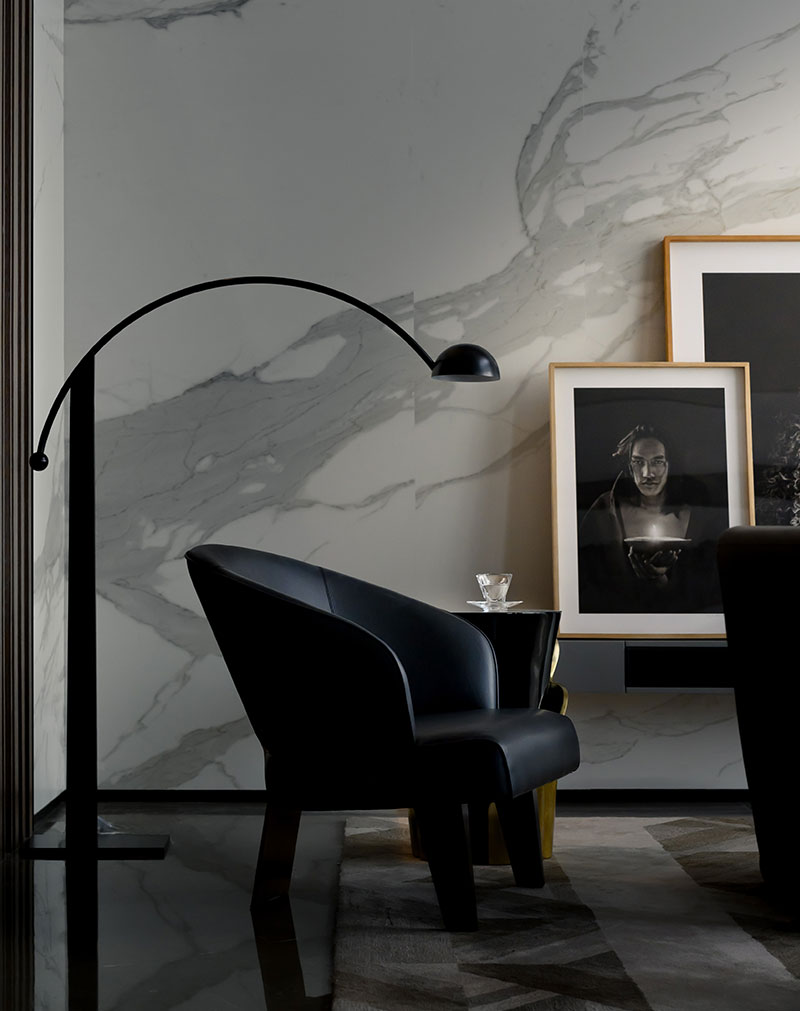
The defining furniture trends of 2026: warm minimalism, organic forms, sustainable natural materials and Japandi aesthetics.
Our team of expert designers and craftsmen are ready to bring your vision to life.